本來,提早一個禮拜回台灣,參加北美洲台灣人教授協會(NATPA),台灣教授協會(TAUP),與台灣教師聯盟(UTT) 第一次聯合年會,是要去「勇登玉山」。因為大家回台灣的時間不同,加上對台灣未來心情不好,只有望玉山而興嘆了!人在太平洋上空時,思索著,接下來的一個禮拜,要做什麼呢?於是,下飛機的隔天,6月19日(拜五),自己主動要求去拜訪我想見面的台派人士。雖然是個人行動,我還是把行程報備給NATPA理事會參考。
6月20日(拜六)下午,我與阿惠從豊原趕到立法院側門外路邊走道,去探望公投護台灣聯盟總召集人蔡丁貴教授。大約與蔡教授深談3個小時,檢討,反省,「不爽出來走」由南到北507公里,「獨立建國挺扁第五大隊」與「五一七嗆馬保台大遊行」前後行動,以及敏感的「組黨」議題,對整個台灣人反抗運動的影響。當晚蔡教授帶我們去參加北社的募款餐會。親眼看見,北社張學逸社長以一票領先連任北社社長。蔡英文主席被邀上台講話時,台下部分社員要求「下台」,蔡主席以穩定幽默口吻說,大家是要我「上台」說話,還是要我「下台」回家。結果大家高喊「上台」說話。於是,蔡主席報告,民進黨中常會已決定,挺阿扁司法人權到底。老實講,蔡主席當晚表現出優質的領導風度。
6月21日(拜日)下午,我們到台中中山醫學大學拜訪中社社長戴正德教授。大約與戴教授深談2.5小時,探討台派各社團成立聯合陣線的必要性,以及台派各社團如何與民進黨大聯合,對抗中國黨的戰略戰術問題。當晚,戴教授帶我們去參加中社的新舊理事交接餐會。在大約20人的大圓桌用餐過程時,與會新舊理事,一個一個自我介紹,參與運動的親身歷程,讓我親眼見識,中部台灣,卧虎藏龍之地,各行各業,人才濟濟。大家對台灣的付出、耕耘、深愛,絕對不是像我這個在海外多年的異鄉人,可以想像的。會後,戴教授開車送我們到台中火車站時,我對戴教授坦誠建言,台中地區,成立聯合陣線,實力大有可為。
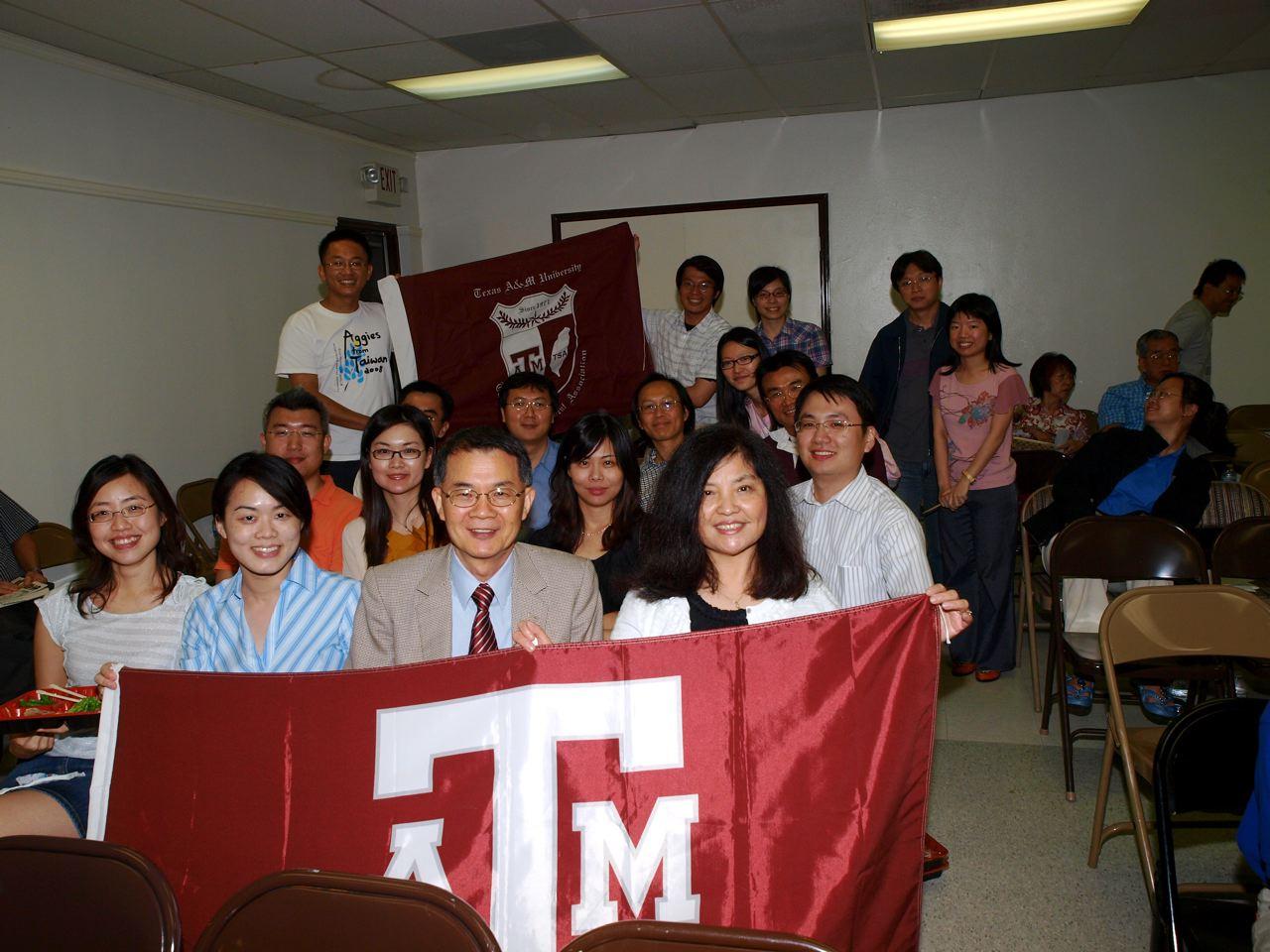
6月22日(拜一)下午,我們到高雄市拜訪南社社長鄭正煜老師。大約與鄭老師深談2.5小時,說明台派社團在高雄辦「五一七大遊行」,及南台灣挺扁挺陳唐山的原因。鄭老師的最大願望是辦報紙對抗統媒。錢不夠,希望辦「一張紙」的報紙專門來對抗統媒。我拍著鄭老師的肩膀說「瞄準方向,槍口對外」。當晚,翁銘章教授帶我們去參加,由德州農工大學回南台灣任教的校友聚會。在用餐交談中,讓我體會到,這些Texas A&M回台灣任教的老朋友,對阿扁及民進黨的認知,與南社社長的看法相當一致。這些老朋友,都是當年在德州農工大學念書時,很優秀的一群留學生。我拜託他們,必須站出來繼續為台灣出力。他們有推薦6~7位學生代表參加此次聯合年會。
6月24日(拜三)下午,我們(這回包括NATPA前會長葉治平教授)到台北新莊拜訪獨立台灣會的史明老先生。史明老前輩,於1981年開始到1993年回台灣為止,每年暑期從日本到美國走訪美國各地台灣同學會,必到Texas A&M大學給同學們講台灣民族,台灣獨立,台灣社會問題。當年才60多些,現在已90有加。大約從正中午到下午4點多,史明老前輩,精神特別好,他說明參加「不爽出來走」的最大目的,是要鼓舞台派走入基層群眾,去了解勞苦大眾的真正聲音,才能聯合基層大眾的力量。以他對基層大眾的接觸了解,他認為台灣終將獨立。在離開新莊往回台北的車上,臨時約定(透過葉治平教授),在台北火車站附近與劉進興教授見面 (後來,林世煜先進也來加入交談)。我把這幾天來,拜訪各方人士的所見所聞,與劉教授、林先生交換意見,希望團結台派力量,有效地對抗中國黨。
6月25日(拜四)下午,我們到南港中央研究院拜訪前教育部長杜正勝院士。杜院士因特別費案,未能應邀參加2008年NATPA年會的專題演講,他特別為年會寫了一篇「台灣主體教育之困境與展望」,鼓舞呼籲海內外知識份子聯合起來推動第二次的台灣文化啟蒙運動,以再造台灣人的心靈。大約與杜院士深談3小時,分析當今民進黨領導團隊的重大責任,及對蔡英文主席的建言。尤其,對民進黨的中國政策應該如何做,杜院士也有一套理論。由南港開回台北福華文教會館時,因塞車,差一點趕不上與李欣芬老師的約會。李老師是2008年台教會副秘書長。我單獨與欣芬老師約在福華自助餐廳交換意見。尤其,對所謂的挺扁與不挺扁議題,深入討論,希望互相了解,互相忍讓為台灣。談猶未盡,差點趕不上晚上8點的NATPA理事會。
6月26日(拜五)上午,聯合年會開始,聽完蔡英文主席的開幕演講「自由民主司法」,盧主義前輩的「台美關係的回顧與前瞻」之後,我們於空檔與劉進興教授及葉治平教授到民進黨總部拜訪蔡英文主席。我開門見山地向蔡主席說明,這幾天來我們拜訪前述幾位台派人士互相交換竟見,聽他們對主席的建議,民進黨該如何與台派各社團協商,再協商,才能團結對抗中國黨。大約1.5小時會談中,劉進興教授也認為「主席多花時間拜會各台派社團,多溝通多協商很重要」。老實說,蔡主席很幸運,有劉教授這樣的坦誠建言。我對這次與蔡主席的坦白對談,印象深刻。年會當天下午,我找空檔再度與蔡丁貴教授深談2小時,重點在於,台派各社團如何團結一致,配合蔡英文主席領軍的民進黨,共同對抗中國黨。我也寄語阿貴教授,面對困挫時,忍耐再忍耐,磨練身心,志在台灣。晚餐後,參加由台教會副會長廖宜恩教授主持的台灣歌手與樂團的感人表演「阿翔的歌」,「吳志寧吉他與吳晟老師」,「王明哲老師的歌」及野草莓當日參訪「六張犁公墓」「景美人權區」「陳文成紀念館」「鄭南榕紀念館」之介紹與照片心得分享。野草莓的領隊是林世煜先進,他們的報告令人感動。
6月27日(拜六),本來年會的主題是要「教授與學生」對談,結果,排出來的節目是,學生在台上做心得報告,教授在台下只有幾分鐘發問,首先由幾位教授上台做簡要開場白,前後總共有15位學生代表上台報告。一般而言,每位學生代表,準備充分,在他們的各自領域,論述清晰,表現優良,是一場成功的座談發表會。只有在下午的最後一場「學運與社運發展綜合討論」時,有一位北部野草莓代表在台上發言,他認為今曰台灣的困境是上一代的責任,以及他在台派聚會場合,必先說「抱歉,我的台語不好,我用國語發言」,備感困擾。有些在台下的教授聽後,爭著舉手要發表意見,急著要向他解釋說明,因為時間有限,沒有辦法台上台下,大家暢所欲言。幸好,會後很多教授與學生,場外東一堆西一堆,繼續談論,終於把道理說清楚講明白。之後5點到6點半,NATPA開會員大會。晚餐時,三會會長共同宣佈,第一次聯合年會,圓滿結束。餐後,蔡丁貴教授與多位NATPA理事會員,在福華交誼間,繼續談論到深夜。
6月28日(拜日),一大早,大約30人,由台北坐火車到花蓮。下午暢遊國際有名的太魯閣國家公園。當晚,在亞士都大飯店,與花蓮東社方美津社長及10多位代表座談,就有關阿扁與民進黨的議題交換意見。除了阿扁議題尚有爭論,大體而言,花蓮東社相當支持民進黨領導團隊的決策。有人建議,民進黨可以考慮,控告中國黨違反司法程序正義,於辦案中途更換審判長。
6月29日(拜一),乘遊覽車從花蓮到台東,一路觀望左邊太平洋,右邊中央山脈之美。下「石梯階」,上「三仙台」,拜訪花蓮阿美族海邊莉桐部落,生態之旅,與當地原住民沙灘跳舞,海邊玩水,遠望綠島,學做麻糬,莉桐部落戶外晚餐。據說,這些都是透過台教會台東大學的劉炯錫教授的安排。在遊覽車上,有機會與台教會會長陳儀深教授交換意見。如何團結,加強台教會與公投護台灣聯盟的互動協商,擴大台教會在台派運動中的親和力與影響力。當夜,在知本泓湶大飯店溫泉亭邊,陳儀深教授,杯舉啤酒,再度與NATPA數位理事會員,暢談天下事。當夜,杯酒下肚,有人建議蔡英文主席,在民進黨之外成立民間的諮詢團,以及建議蔡主席,集中火力批判國民黨對當下失業者的不合理健保政策。
6月30日(拜二),乘遊覽車到台東卑南鄉,再換吉普車,登上高山,了解達魯瑪克族 (Taromak)的原鄉生活實況,見識到台東青山的壯麗,原住民的故鄉,看石排屋,學綁花圈,拉弓發箭。中午回到半山腰,用達魯瑪克族餐,於古老水庫邊,做愛玉,喝米酒,烤蕃薯,玩石溪,捉小魚。一位原住民姑娘說,她是受台東大學劉炯錫教授的影響,才對原住民的歷史及環保非常了解,她們很感謝,大家對原住民的關懷與支持。下午5點17分的火車,由台東知本站開到台北已經是10 點多,趕回到豊原又是半夜了。
7月1日(拜三),沒有辦法趕去參加蔡英文主席與NATPA在台北American Club 8-10點的早餐會。希望黃東昇前會長與劉斌碩會長,有把6月29日晚上喝啤酒時的建言(民間諮詢團、失業健保政策),轉述給蔡主席做參考。
7月2日(拜四),一大早,由豐原趕到桃園,搭早上10點飛機。人在太平洋上空時,回想著,我是否應該把這二個禮拜以來,所見所聞記下來,讓沒有能夠參加這次年會的NATPA朋友們參考。當然,在「團結抗爭,槍口對外」大原則下,只能簡單記下部份情節。最後,這一次回鄉拜訪學習之旅,我有一些感想。首先關於台派社團與民進黨部份,我深深相信,只要大家對自己人多多包容,互相忍耐,坐下來協商,把力氣用來對抗中國黨,我們一定可以找出一條共同奮鬥的活路。我的直覺是,台派社團會團結起來,蔡英文主席也會更加強與台派社團協商,再協商,化解矛盾。大家一定要聯合起來,才有機會扳倒中國黨。
再來關於教授與學生部份,我覺得,學生要走的路很長,我們看待學生就好像看待自己的子女一樣,多聽他(她)們的看法想法,正確的要鼓勵要堅持,不正確的也要有耐心來說明來化解。我們必須在漫長的路上,繼續加強與學生對話,互相學習互相進步。其實,教授與學生的關係,就好比民進黨與台派社團的關係,大家一定要多溝通多協商,互相忍讓互相了解。總是,希望有一天,台灣人能夠大徹大悟大團結,真正站起來,主宰自己的命運!
作者 : 黃界清 (德州農工大學傑出講座教授,前北美洲台灣人教授協會會長)
Wednesday, July 15, 2009

Wednesday, July 1, 2009
Thursday, June 25, 2009


Sunday, June 14, 2009
「教授協會與學生運動」:實際可行的建議方案
今年2月15日,筆者曾經為文公開呼籲,藉著海內外兩個台灣人教授協會聯合大會,共同來探討「教授協會與學生運動」的重要,共同來開發保護學生運動,共同來合力培育學生領導人才。今天,筆者趁著這次非常難得的機會,提出下列三點實際可行的建議方案,希望給大家來做參考。
第一點建議方案,台灣教授協會儘速成立「學生運動部」。負責推展配合參與學生運動,該部成員由有經驗的老中青教授與各區學生代表組成,學生為主體,教授為輔導。大家都知道,年青學生是台灣的希望,學生的想法與作法,悠關台灣未來存亡,如果有教授引導與啟發,多讀台灣歷史文化,多開台灣問題討論會,分析當下台灣重要議題,共同參加台灣人活動,互相學習進步。
第二點建議方案,「學生運動部」儘速成立「電子連絡網站」。負責北、桃竹、中、南、東、各區校園的群眾運動大串連。平常無大事,透過電子連絡網站,交談讀書心得,分析重要議題,互相連絡感情。周邊有大事,透過電子連絡網站,緊急戰時協商,提出有效對策,互相支援抗爭。大家都知道,沒有學生大串連,沒有教授做後盾,各校區的學生運動,容易流失,很難持久。
第三點建議方案,儘速成立「學生運動部」與「年青學者專案」連線。北美洲台灣人教授協會現在設有「年青學者專案」,加強北美洲台灣人教授與學生互動對話。這個「年青學者專案」,必須繼續擴大發揮,透過電子連絡網站,來與台灣教授協會的「學生運動部」成立連線。海內外兩個台灣人教授協會,可以互相邀請幾名學生代表,來參加各自的年會或者參加對方的年會。
結語:學生運動不好做,不顯眼,零零碎碎,吃力不討好,而且學生想法不一,流動性大,負責「學生運動部」與「年青學者專案」的教授同仁,要有耐心,長期耕耘,否則很難看到成果。海內外兩個台灣人教授協會會員,大家共同協力合作,開發保護學生運動,培育未來領導人才。
作者 : 黃界清 (德州農工大學傑出講座教授,前北美洲台灣人教授協會會長)
Monday, June 1, 2009



Thursday, May 28, 2009
保密防諜 人人有責 !?
軍方查獲一名涉嫌偷拍我國軍「資電作戰指揮部」的中國「觀光客」馬中飛,台北地檢署將馬中飛偷拍軍事設施案移轉高檢署偵辦,高檢署經過訊問及現場模擬後,未做任何強制處分,直接將他釋回,責成邀訪單位未來要協助被告隨傳隨到。邀馬中飛來台的中華民國商品流通產經協會,沒有任何人說明此事,據記者了解,商品流通產經協會主要辦公地點,是向新生北路一間清潔企業社承租一張辦公桌而已,並沒有自己的辦公室,而出租辦公桌的房東則指出,並不清楚該協會的運作狀況,只知道平時協會會務人員並不在這邊辦公,只是偶爾會來收取信件及文件。檢方認為本案所涉二審管轄外患罪,為一年以下徒刑輕罪,且未規定處罰過失犯。勘驗現場後,認為現場周圍無嚴格管制,確有可能誤闖,逐一比對馬中飛照相地點後,不排除有非故意的可能,未來若是無法找出被告涉案不法動機及具體事證,有可能只能認定被告係為誤闖的非故意犯。
上任後拒絕達賴訪台,不斷親中的馬先生,在上任週年記者會中,以極其誠懇的表情說到: 「那你說主權有流失,你告訴我哪裡有流失?如果真的有,我把它補起來嘛!」。才說要補起來,誤闖的、非故意二審管轄外患罪犯就放回中國了。
之前野柳的女王頭才被中國觀光客刻字,今天軍事設施又被中國「觀光客」偷拍,德重於才的劉兆玄院長還打算開放世界各國都沒開放的中客自由行,劉兆玄指出,開放陸客自由行是政策方向,目前先降低陸客組團人數,“5人1團馬上就可實行”,接下來會與對岸協商把組團人數降至2或3人……。
記得小時候老師教的嗎?小心!匪諜就在你身邊。
上任後拒絕達賴訪台,不斷親中的馬先生,在上任週年記者會中,以極其誠懇的表情說到: 「那你說主權有流失,你告訴我哪裡有流失?如果真的有,我把它補起來嘛!」。才說要補起來,誤闖的、非故意二審管轄外患罪犯就放回中國了。
之前野柳的女王頭才被中國觀光客刻字,今天軍事設施又被中國「觀光客」偷拍,德重於才的劉兆玄院長還打算開放世界各國都沒開放的中客自由行,劉兆玄指出,開放陸客自由行是政策方向,目前先降低陸客組團人數,“5人1團馬上就可實行”,接下來會與對岸協商把組團人數降至2或3人……。
記得小時候老師教的嗎?小心!匪諜就在你身邊。
Friday, May 22, 2009
[Forbes] An outbreak of peace across the Strait could be dangerous
Gordon G. Chang, 05.22.09, 12:01 AM ET
On Wednesday, Ma Ying-jeou marked his first anniversary as president of Taiwan by calling his initial year "fruitful." And he had just cause for doing so. His most notable accomplishment so far has been a marked improvement in relations between the island republic and China. "In one year, we have transformed the strait from a dangerous flashpoint to a conduit of peace and prosperity," he told reporters in Taipei.
Last month, Taipei and Beijing, which both claim to govern "China," entered into historic agreements covering financial cooperation, regularly scheduled flights and judicial and law enforcement ties. That's on top of deals signed in June 2008. All told, there have been nine pacts inked with Beijing during Ma's first year.
Moreover, there are other signs of reconciliation across the Taiwan Strait. Beijing dropped its objections to Taiwan participating this week in the World Health Assembly, the yearly gathering of World Health Organization members. And it appears the two sides will complete a wide-ranging Economic Cooperation Framework Agreement sometime in the coming months and maybe even a "peace agreement."
At first glance, the U.S. should be happy with the results of Ma's "diplomatic truce" with Beijing. Chen Shui-bian, Ma's charismatic predecessor, riled both Washington and Beijing with his independence- minded moves, thereby complicating America's relations with the Chinese. Ma has, with some deft moves, taken Taiwan off the list of the world's hotspots. Peace, in a very real sense, is breaking out across the Taiwan Strait.
So what's not to like about recent developments? Unfortunately, a lot. For one thing, Ma's administration has been able to make such fast progress in cross-strait relations by compromising his republic's sovereignty. For instance, the government in Taiwan is now participating in World Health Organization activities, when that institution describes the island as "China (Province of Taiwan)." It's a sign that Ma has made a critical concession to Beijing.
Ma says he has no intention of surrendering to the Chinese, often repeating his "Three Nos" policy of no independence, no unification and no war. Although it is unlikely he wants to reduce his status and become the governor of China's 34th province, there are elements in his Kuomintang party--led by former leader Lien Chan--that clearly want to join the so-called Motherland. From all indications, the telegenic Ma does not control his party and many of its hardline members tolerate him only because he is the Kuomintang's only politician who can win presidential elections.
Although he may not be seeking unification, Ma is pushing his country in that direction nonetheless. The agreements he has sponsored--and the ones he contemplates- -will give Beijing economic leverage that will inevitably weaken resistance to Chinese rule. Tellingly, he has refused to submit the China agreements to ratification by the island's legislature. The failure to do so indicates contempt for democratic norms, especially because the pacts were negotiated not by the governments of Taiwan and China but by their ruling parties, and they were signed by nongovernmental organizations.
The failure to allow formal ratification is, unfortunately, just one sign of the erosion of democracy on the island. First and foremost, President Ma has engaged in what June Teufel Dreyer of the University of Miami has called an "across-the-board- purge-your- opponents effort," starting with former president Chen and continuing through the roster of the previous administration.
Moreover, Ma has been undermining democratic institutions by constricting the right to protest, intimidating the citizenry and pressuring the country's media. Some Taiwanese even fear that the Kuomintang will cancel the 2012 presidential election, and with each passing week that fear seems less like a partisan rant and more like a well-founded concern.
The ruling party is returning not only to its Chinese roots but its Leninist ones as well. Successive American administrations have worried that Beijing would try to alter Taiwan's political status without the consent of the Taiwanese. Up to now, no one thought that the Taipei government might do that to its own people instead.
The pro-China elements in the Kuomintang know that the Taiwanese would never willingly agree to join with Beijing in any type of political union. Although most polling on the island is suspect, the vast majority of surveys show that the percentages of the population considering themselves "Chinese" only, and those wanting to unify with China, are both in the single digits and dropping. So the only way diehard Mainlanders can make the island a part of China is for them to destroy Taiwan's democracy first.
Washington, however, is saying not a word about the worrisome developments. Yet that is a mistake for many reasons.
First, China's authoritarianism is on the march and Taiwan is an inspiration to free peoples everywhere.
Second, America's Asian policy is anchored on defending Japan. As a quick look at a map will reveal, the islands making up Taiwan protect the southern approaches to the Japanese archipelago. It would, therefore, be difficult for America to defend Japan if Taiwan became part of the People's Republic.
If the Pentagon is not able to protect Japan, South Korea would be surrounded and would surely fall into Beijing's lap as well. With its two formal alliances gone, the U.S. would be out of Asia. Taiwan is the key to keeping the U.S. in the game.
Third, ceding Taiwan would undoubtedly embolden a territorially hungry Beijing. China asserts sovereignty over, among other things, the continental shelves of Japan and five southeast Asian countries. Incredibly, Beijing appears to maintain that the entire South China Sea is an internal Chinese lake, thereby impinging on the right of free passage on, under and over international waters. Giving up Taiwan would only embolden China to press its claims with even more confidence and vigor--and it would bolster Beijing's weak legal positions by giving it Taipei's territorial rights.
Finally, losing Taiwan would send horrible messages to American allies, friends and foes in the region--and elsewhere. So we have a lot to lose if Beijing swallows Taiwan whole. That, unfortunately, is looking increasingly possible as the island begins its second year under Ma Ying-jeou.
Gordon G. Chang is the author of The Coming Collapse of China. He writes a weekly column for Forbes.
Subscribe to:
Posts (Atom)